

Retail Warehousing Explained: How It Works, Benefits & Challenges
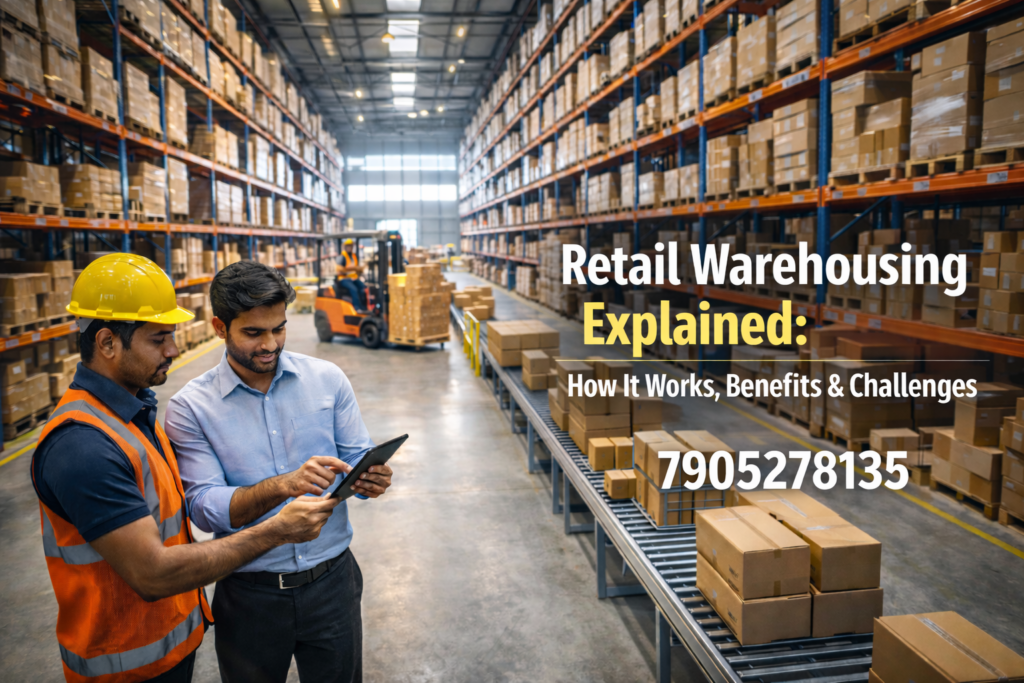
Retail warehousing is a vital part of modern supply chains, ensuring products move smoothly from manufacturers to retail outlets and ultimately to customers. As consumer expectations grow and online shopping expands, businesses now rely heavily on efficient warehousing systems for fast inventory replenishment, accurate stock management, and timely order delivery.
Whether you are searching for an Affordable warehouse for rent in lucknow, a warehouse for lease in lucknow, a godown for rent, or a commercial space for rent in lucknow, understanding how retail warehousing works can help you choose the right facility for your business operations.
This guide explains the concept of retail warehousing, how it functions, its key components, advantages, and common challenges businesses face.
What Is Retail Warehousing?
A retail warehouse is a specialized storage and distribution facility designed specifically for retail inventory. Unlike traditional bulk warehouses, retail warehouses focus on speed, accuracy, and rapid stock movement. They manage high volumes of products and ensure efficient order fulfillment for both physical stores and e-commerce platforms.
For example, a modern warehouse in Lucknow may function as a central hub where goods are received from manufacturers, organized systematically, and dispatched quickly based on real-time demand. Retail warehouses also support online order fulfillment and returns processing, making them essential for omnichannel retail businesses.
Key Components of Effective Retail Warehousing
Successful retail warehousing depends on several operational elements working together to maintain efficiency and accuracy.
1. Advanced Inventory Management
Real-time inventory tracking is the backbone of retail operations. Warehouse Management Systems (WMS) help monitor stock levels, predict demand, automate replenishment, and minimize errors. Without proper inventory control, businesses risk stock shortages, overstocking, or misplaced goods.
2. Organized Warehouse Layout
A well-planned layout improves operational efficiency. Retail warehouses use categorized storage zones, clear labeling systems, optimized shelving, and structured picking paths. This reduces worker travel time, improves navigation, and increases productivity.
3. Efficient Order Processing
Retail warehouses handle multiple processes such as receiving shipments, performing quality checks, picking and packing orders, labeling, and dispatching goods. Efficient processing ensures retail outlets remain stocked and online customers receive their orders on time.
4. Technology and Automation Integration
Modern retail warehouses rely on automation tools like barcode scanners, RFID tracking, automated conveyors, and robotic picking systems. These technologies reduce manual labor, improve accuracy, and provide real-time performance insights for better decision-making.
5. Reverse Logistics and Returns Management
Retail businesses—especially e-commerce companies—experience high return volumes. A strong reverse logistics system allows quick inspection, restocking, or disposal of returned products. Efficient returns handling ensures inventory accuracy and prevents operational delays.
Benefits of Retail Warehousing
Implementing a well-structured retail warehousing system offers several operational and financial advantages.
Faster Inventory Replenishment
Retail warehouses enable quick stock delivery to stores, reducing empty shelves and lost sales opportunities.
Improved Product Availability
Real-time inventory management helps maintain consistent stock levels across multiple locations, improving customer satisfaction.
Reduced Stockouts and Overstocking
Data-driven forecasting helps businesses balance supply and demand, reducing excess inventory and shortages.
Enhanced Supply Chain Efficiency
Retail warehouses streamline the movement of goods, reducing transportation delays and operational inefficiencies.
Better Seasonal Demand Management
During festive seasons or promotional campaigns, retail warehouses allow businesses to store additional stock and distribute it efficiently during peak demand periods.
Challenges in Retail Warehousing
Despite its benefits, retail warehousing presents several operational challenges that require proper planning and management.
Demand Fluctuations
Changing customer trends and seasonal demand make inventory forecasting complex and unpredictable.
High SKU Volume
Retail businesses handle large product ranges, requiring precise inventory control and systematic organization.
Limited Storage Space
Poor space utilization can slow down operations and reduce efficiency, especially in high-volume warehouses.
Rising Operational Costs
Labour expenses, automation tools, and error-free order fulfillment can increase operational costs if not managed properly.
Returns Handling
Managing returned goods requires additional processes and resources, which can impact workflow efficiency if not optimized.
Conclusion
Retail warehousing plays a critical role in modern retail operations by ensuring products move quickly and efficiently from suppliers to stores and customers. With the right inventory systems, organized layouts, and technology integration, businesses can overcome operational challenges and achieve faster order fulfillment.
Whether you are looking for an Affordable warehouse, a warehouse for lease in lucknow, a commercial space for rent in lucknow, or a godown for rent, selecting the right facility is essential for building a reliable and scalable retail supply chain. Investing in an efficient warehouse setup can significantly improve productivity, reduce costs, and enhance customer satisfaction.